


How to Identify Ethical Fashion Labels
Table of Contents
- Why Identifying Ethical Fashion Labels Matters
- Check for Recognised Sustainable Fashion Certifications
- Investigate the Ethical Clothing Supply Chain
- How to Spot Greenwashing in Fashion
- Use Ethical Fashion Brand Ratings and Resources
- Practical Steps to Verify Any Fashion Label
- Frequently Asked Questions
Last Updated: 17 October 2026
Why Identifying Ethical Fashion Labels Matters
The fashion industry produces roughly 92 million tonnes of textile waste each year. Most of us buy clothes without knowing where they come from or who made them. When you choose ethical fashion labels, you're voting with your wallet for better practices.
At HotSquash, we believe that style and sustainability aren't mutually exclusive. We design and produce luxury womenswear right here in London, which means we control our supply chain from start to finish. But not every brand operates this way. Many use complex global supply chains that hide labour practices and environmental damage.

Identifying ethical fashion labels protects you from greenwashing. It ensures your money supports businesses that genuinely care about people and the planet. It also means you're buying quality pieces that last longer, which saves money over time.
Here's what you need to know to shop with confidence.
Check for Recognised Sustainable Fashion Certifications
The easiest way to identify ethical fashion labels is to look for third-party certifications. These are awarded by independent organisations after rigorous audits. A genuine certification means a brand has been verified against strict standards.
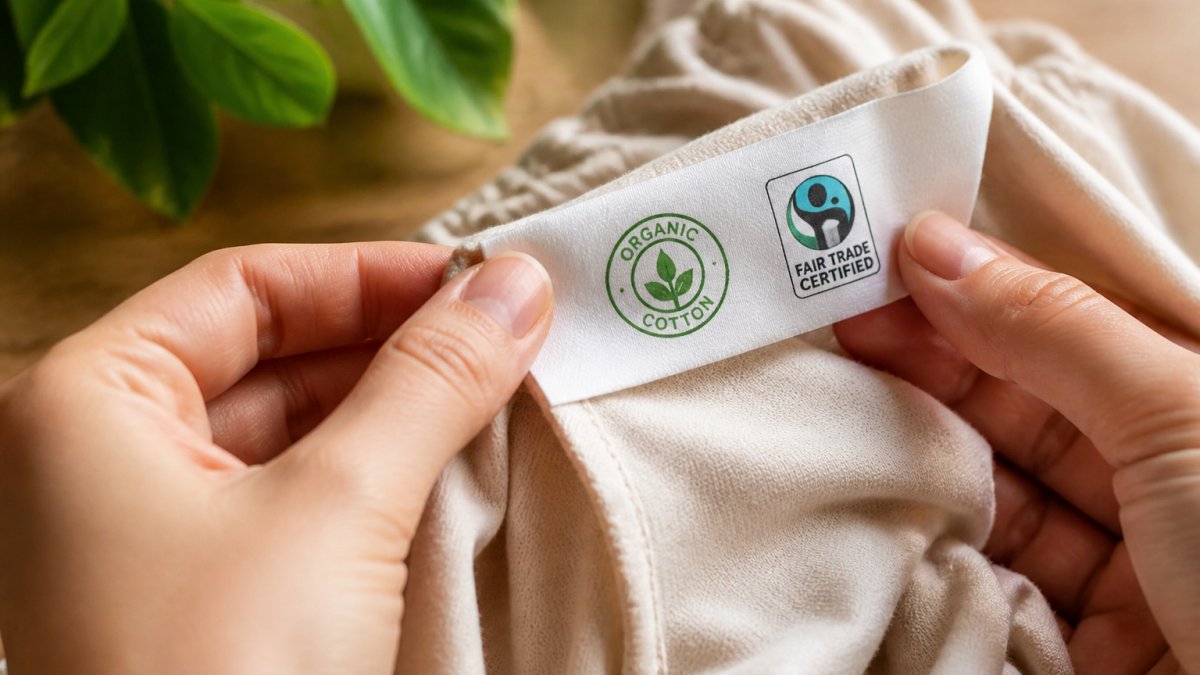
Key certifications to look for
Look for these certifications when you're shopping:
- Fair Trade Certified, verifies fair wages and safe working conditions
- GOTS (Global Organic Textile Standard), confirms organic fibres and ethical production
- OEKO-TEX, tests for harmful chemicals in finished textiles
- Cradle to Cradle, assesses environmental impact across the entire product lifecycle
- EU Ecolabel, European standard for environmental performance
- Ethical Trading Initiative, focuses on labour rights and worker welfare
Each certification has different requirements. Some focus on environmental impact. Others prioritise worker welfare. The strongest ethical fashion labels carry multiple certifications because they meet several standards simultaneously.
How to verify a certification is genuine
Don't assume every logo on a label is legitimate. Greenwashing brands sometimes display fake or outdated certifications. Here's how to verify:
- Visit the certification organisation's website directly
- Search for the brand name in their certified directory
- Check the certification date, expired certifications don't count
- Look for a certification number or code you can cross-reference
- Avoid certifications that sound official but don't exist (search online if you're unsure)
A real certification will have a searchable database where you can confirm the brand is listed. If you can't find the brand in the official database, that's a red flag.
Investigate the Ethical Clothing Supply Chain
Certifications are helpful, but they're not the whole story. Dig deeper into where and how a brand manufactures its clothes.
Where the brand manufactures
Ethical fashion labels are transparent about manufacturing locations. Look for brands that:
- Manufacture in countries with strong labour protections
- Publish their factory list publicly (or share it on request)
- Work with fewer factories rather than spreading production across dozens of suppliers
- Maintain long-term relationships with factories instead of constantly switching
Brands that hide their manufacturing locations or refuse to disclose them are hiding something. Transparency is a core principle of ethical fashion. If a brand won't tell you where clothes are made, that's a warning sign.
Local or domestic manufacturing often signals stronger ethical practices. Many ethical fashion labels produce in the UK or Europe where labour laws and environmental regulations are strict. HotSquash manufactures in London, which means we maintain complete visibility over working conditions and environmental standards.
Transparency about labour practices
Ethical clothing supply chains prioritise worker welfare. Ask yourself:
- Does the brand publish a sustainability report?
- Do they mention wages, working hours, or worker safety?
- Can you find information about their supply chain audits?
- Do they address problems when they find them, or do they just ignore issues?
The best ethical fashion labels publish detailed sustainability reports. These reports show audit results, worker feedback, and improvements made over time. They're honest about challenges and what they're doing to fix them.
Look for brands that mention specific practices like:
- Regular third-party audits of factories
- Worker grievance mechanisms (safe ways for workers to report problems)
- Investment in worker training and development
- Living wages (not just minimum wage)
- Safe working conditions and reasonable hours
How to Spot Greenwashing in Fashion
Greenwashing happens when brands make environmental or ethical claims without backing them up. Learning to spot it protects you from wasting money on fake sustainability.
Red flags that signal greenwashing
Be suspicious of brands that:
- Use vague language like "eco-friendly" or "sustainable" without specifics
- Make environmental claims but have no certifications to prove it
- Highlight one small sustainable initiative while ignoring major problems
- Use green colours, leaf logos, or nature imagery to look ethical (without substance)
- Claim to be "sustainable" but won't disclose manufacturing details
- Sell massive quantities of cheap clothes under a "sustainable" label (fast fashion can't be ethical)
- Change their messaging frequently without showing actual improvements
The strongest warning sign is secrecy. Ethical fashion labels are proud of their practices and share them openly. Greenwashing brands hide behind marketing language instead of facts.
Questions to ask before you buy
Before purchasing from any brand, ask yourself:
- Can I find a specific certification on this product?
- Does the brand publish a sustainability report?
- Where is this made, and can I find information about the factory?
- What's the price point? (Ethical production costs more)
- Does the brand explain their environmental impact, or just claim to be "green"?
- Can I find independent reviews or certifications, not just the brand's own claims?
If you can't answer most of these questions, the brand probably isn't transparent enough. Ethical fashion labels welcome these questions because they have real answers.
Use Ethical Fashion Brand Ratings and Resources
Several independent organisations rate fashion brands on ethical and environmental performance. These resources do the research for you.
Good On You rates fashion brands on labour practices, environmental impact, and animal welfare, this is one of the most detailed rating systems available. Brands receive ratings from "We Avoid" to "Certified B Corp". The ratings are based on independent research and brand transparency.
The Fashion Transparency Index publishes annual rankings of major fashion brands based on how much they disclose about their supply chains. Transparency doesn't guarantee ethics, but it's a strong indicator.
Ethical Consumer maintains a searchable directory of ethical fashion brands. They research company ownership, labour practices, and environmental impact.
These resources take months to research each brand. Use them as a starting point before you buy. Many ethical fashion labels appear on these lists because they meet rigorous standards.
Practical Steps to Verify Any Fashion Label
Use this checklist every time you consider buying from a new brand.
Your verification checklist
- Search the brand name on Good On You or similar rating sites
- Check the brand's website for a sustainability report or ethics statement
- Look for third-party certifications on product labels or the website
- Verify certifications by visiting the certification organisation's directory
- Research the manufacturing location, is it disclosed?
- Check if the brand publishes their factory list
- Read independent reviews (not just brand testimonials)
- Look for recent news articles about the brand (positive or negative)
- Check how the brand responds to criticism or ethical concerns
- Compare the price point, is it realistic for ethical production?
This process takes 10-15 minutes per brand. It's worth the effort because you'll avoid greenwashing and support genuinely ethical businesses.
Identifying ethical fashion labels takes effort, but it's the only way to shop with confidence. Certifications, transparency, and independent ratings are your best tools. When you know a brand's story, you can feel good about what you're wearing.
At HotSquash, we've made this simple for our customers. We design and produce our luxury womenswear in London, so you know exactly where your clothes come from. Our crease-resistant dresses and jumpsuits are made from premium fabrics with a low carbon footprint. Free UK delivery and returns make it easy to shop ethically without compromise. Discover how sustainable luxury womenswear can transform your wardrobe, start shopping with HotSquash today.
Frequently Asked Questions
How can you tell if a fashion brand is ethical?
Look for three core signals: recognised third-party certifications (such as GOTS or Fair Trade), transparent information about where and how products are made, and honest communication about labour practices. Ethical fashion labels typically publish detailed supply chain information on their websites and can answer specific questions about manufacturing locations and worker conditions. Brands that hide this information or use vague language about sustainability are likely not genuinely ethical.
What should I look for in an ethical clothing label?
Check for verifiable certifications, specific details about fabric sourcing, clear manufacturing locations, and evidence of fair wages. Ethical labels often highlight British or European production, use sustainable materials (organic cotton, recycled fabrics), and explain their environmental impact. Brands like HotSquash, designed and made in London, demonstrate commitment by controlling production locally. Ask yourself: can you find concrete answers to where, how, and by whom your clothes are made?
How do I spot greenwashing in fashion?
Greenwashing uses vague terms like 'eco-friendly' or 'conscious' without backing them up with certifications or data. Red flags include single-use sustainability claims, lack of supply chain transparency, minimal detail about labour practices, and heavy use of green marketing without substance. If a brand can't name specific certifications, doesn't disclose manufacturing locations, or makes broad environmental claims without evidence, it's likely greenwashing. Authentic ethical labels provide concrete, verifiable information.
Which certifications can help identify ethical fashion brands?
Leading certifications include Global Organic Textile Standard (GOTS) for organic fabrics, Fair Trade Certified for labour standards, and OEKO-TEX for chemical safety. The Ethical Clothing Exchange and Good On You provide independent brand ratings. Look for certifications from established, third-party organisations rather than brand-created labels. Genuine ethical fashion labels proudly display these credentials on product pages and can provide certification numbers you can verify directly with the certifying body.