



Non-Iron Fabric for Sensitive Skin: What You Need to Know
Table of Contents
- What Makes Non-Iron Fabric Crease-Resistant
- Formaldehyde in Clothing: The Main Chemical Concern
- Is Non-Iron Fabric Good for Sensitive Skin
- Best Fabrics for Sensitive Skin: Safer Alternatives
- How to Remove Chemical Smell from New Clothes
- Crease-Resistant Fabrics That Work for Sensitive Skin
- Frequently Asked Questions
Last Updated: October 2, 2026
What Makes Non-Iron Fabric Crease-Resistant
Non-iron fabrics resist wrinkles through chemical treatments applied during manufacturing. The most common method involves coating fibres with synthetic resins that prevent creasing when the fabric is washed and dried. These treatments work by creating a temporary bond between fibres, allowing them to spring back to their original shape rather than holding creases permanently.
The chemistry behind this process relies on formaldehyde-based or alternative resin finishes. When you wash a non-iron garment, the fabric's structure recovers naturally without requiring an iron. This convenience appeals to busy professionals who need polished clothing with minimal maintenance.
However, the durability of these treatments varies. Most non-iron finishes gradually weaken after repeated washing cycles, typically lasting 50 to 100 washes before noticeable degradation. The fabric may still perform reasonably well beyond this point, but the crease-resistance becomes less reliable over time.
Formaldehyde in Clothing: The Main Chemical Concern
Formaldehyde is the primary chemical used in traditional non-iron fabric treatments. This substance helps create the resin coating that prevents wrinkles, but it raises legitimate health concerns for people with sensitive skin.
When formaldehyde is present in clothing, it can off-gas, releasing fumes that irritate skin, eyes, and respiratory passages. New garments often have a distinctive chemical smell, which is formaldehyde off-gassing in action. This is particularly problematic for individuals with contact dermatitis, eczema, or other skin sensitivities.
The amount of formaldehyde in treated fabrics varies significantly between manufacturers. Some brands use formaldehyde-free alternatives or apply lower concentrations that pose minimal risk. Others use older finishing methods that retain higher residual formaldehyde levels. Without clear labelling, it's difficult for consumers to know which treatment a garment received.
Regulatory standards exist in many countries to limit formaldehyde in textiles, but enforcement varies. Products marketed as "low-formaldehyde" or "formaldehyde-free" still require careful verification, as these claims aren't always independently tested or certified.
Textile Exchange sustainability standards provide guidance on safer chemical treatments, though compliance is voluntary rather than mandatory for most retailers.
Is Non-Iron Fabric Good for Sensitive Skin
Non-iron fabric sensitive skin compatibility is not inherent; it depends entirely on the specific chemical treatment used. For people with reactive or easily irritated skin, traditional formaldehyde-based non-iron treatments pose a genuine risk.
The primary concern is direct contact between treated fabric and skin. When formaldehyde residues remain on the garment surface, they can trigger allergic reactions, contact dermatitis, and persistent itching. Individuals with eczema or conditions like atopic dermatitis are particularly vulnerable to these reactions.
However, formaldehyde-free non-iron treatments do exist. Some manufacturers use alternative resin systems or physical finishing methods that achieve crease resistance without relying on formaldehyde. These options are safer for sensitive skin but may be harder to find and typically cost more.
The solution isn't to avoid non-iron fabrics entirely, it's to choose them carefully. Look for garments explicitly labelled as formaldehyde-free or made with low-chemical finishing processes. Washing new clothes before wearing them also helps reduce residual chemicals, though this isn't a complete fix if the treatment itself is problematic.
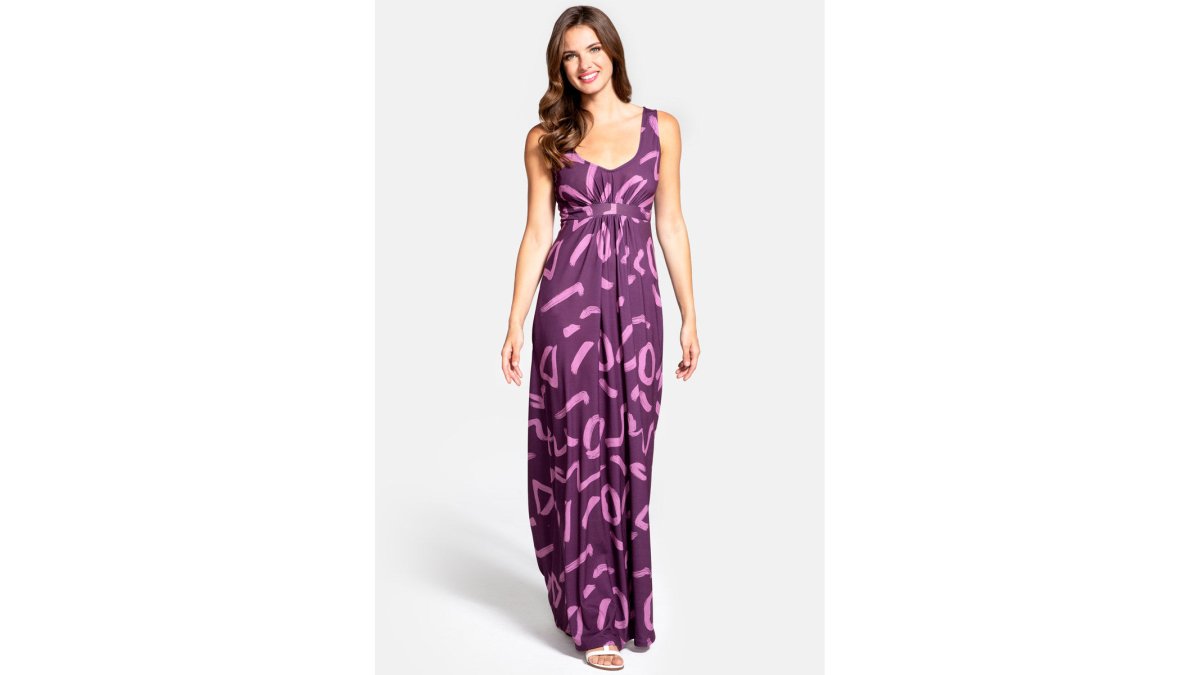
The Empire Line Maxi Dress, for example, is made from recycled polyester with crease-resistant properties designed for easy care without compromising on comfort or skin safety.

Best Fabrics for Sensitive Skin: Safer Alternatives
Several fabric types offer crease resistance or easy-care properties without relying on problematic chemical treatments.
Natural fibres with minimal processing are often the safest choice for sensitive skin. Organic cotton, linen, and hemp require less chemical finishing than synthetic fabrics. They breathe well, reduce moisture buildup against skin, and typically cause fewer allergic reactions. The trade-off is that they wrinkle more easily and require ironing more frequently.
High-quality blended fabrics combine natural and synthetic fibres to balance comfort with practicality. A cotton-polyester blend, for instance, offers some natural breathability while reducing wrinkles compared to pure cotton. These blends work well for people who want easier care without sacrificing skin comfort.
Wool and wool blends naturally resist wrinkles and moisture, making them excellent for sensitive skin. Merino wool, in particular, is soft, breathable, and less likely to trigger irritation. It also regulates temperature effectively, keeping skin comfortable in varying conditions.
Recycled polyester and sustainable synthetics are increasingly available with low-chemical finishes. These fabrics perform similarly to virgin synthetics but often involve more responsible manufacturing practices that reduce chemical exposure. Brands focusing on sustainability typically prioritise safer finishing methods.
| Fabric Type | Wrinkle Resistance | Skin Safety | Care Requirements | Cost |
|---|---|---|---|---|
| Organic cotton | Moderate | Excellent | Requires ironing | Higher |
| Linen | Low | Excellent | Requires ironing | Moderate |
| Wool blends | High | Very good | Gentle washing | Moderate to high |
| Recycled polyester | High | Good | Minimal care | Moderate |
| Cotton-polyester blend | Moderate-high | Good | Light ironing | Moderate |
| Treated non-iron synthetic | Very high | Variable | Minimal care | Moderate |
The best choice depends on your priorities. If skin sensitivity is your primary concern, natural fibres or low-chemical synthetics outperform traditional non-iron treatments. If convenience matters more, seek out non-iron fabrics explicitly marketed as formaldehyde-free or chemically gentle.
How to Remove Chemical Smell from New Clothes
New non-iron garments often smell strongly of chemicals, particularly formaldehyde. Removing this smell reduces skin irritation risk and makes the garment more comfortable to wear.
Wash before wearing. This is the most effective first step. Machine wash the garment in cool or warm water using a gentle detergent, then air dry. This single wash removes a significant portion of residual formaldehyde and other volatile compounds. For heavily treated fabrics, repeat the wash a second time.
Use vinegar in the rinse cycle. White vinegar neutralises formaldehyde residues. Add half a cup to the rinse cycle or soak the garment in a vinegar-water solution for 30 minutes before washing. The vinegar smell dissipates as the garment dries.
Air dry in sunlight when possible. Sunlight and fresh air accelerate off-gassing. Hang the garment outside for several hours or overnight. UV exposure helps break down remaining chemical compounds more quickly than indoor drying.
Avoid heat initially. Do not tumble dry or use a hot wash on the first cleaning. Heat can actually increase formaldehyde release rather than reduce it. Stick with cool or warm water and air drying until the chemical smell is gone.
Try baking soda. Sprinkle bicarbonate of soda inside the garment and leave it sealed in a bag for 24 hours. Bicarbonate of soda absorbs odours and some chemical residues. Brush it off thoroughly before wearing.
For garments with persistent chemical smells after one wash, repeat the process. Most people find that two washes, combined with air drying and sunlight exposure, removes the majority of formaldehyde odour within a week.
Crease-Resistant Fabrics That Work for Sensitive Skin
Finding non-iron fabric sensitive skin options that are genuinely safe requires looking beyond conventional treatments. The best options combine practical performance with skin-friendly materials.
Recycled polyester with low-chemical finishes represents a growing category of responsible non-iron fabrics. These materials use less harsh chemical processing than virgin synthetics and often employ water-based or formaldehyde-free finishing methods. HotSquash's Empire Line Maxi Dress exemplifies this approach, using recycled polyester that resists creases while maintaining breathability and comfort.
Performance blends designed for sensitive skin are emerging from brands prioritising both functionality and safety. These fabrics combine natural fibres with carefully selected synthetics, using gentler finishing techniques than traditional non-iron treatments. They perform well across multiple washes and maintain their crease resistance without compromising skin comfort.
Wool-blend fabrics offer natural crease resistance without chemical treatments. Merino wool fibres naturally spring back to shape, reducing the need for ironing. Blending wool with cotton or silk creates fabrics that are both practical and gentle on sensitive skin.
When shopping for crease-resistant clothing, prioritise transparency. Brands that clearly disclose their finishing methods and chemical treatments are more trustworthy than those using vague marketing language. Look for certifications like OEKO-TEX, which tests for harmful substances, or Cradle to Cradle, which evaluates environmental and safety standards.
The Empire Waist Maxi Dress from HotSquash, available at £34.99 to £95.00 depending on style, demonstrates how crease-resistant fabrics can be designed responsibly.

Frequently Asked Questions
What chemicals are used to make non-iron fabric?
Most non-iron fabrics are treated with formaldehyde-based resins or other synthetic finishes to create crease resistance. These chemical coatings bond to the fabric fibres to prevent wrinkles. Some manufacturers use formaldehyde-free alternatives, but traditional finishes remain common in the industry. The concentration and type vary by producer, which affects how much chemical residue remains after washing.
Is non-iron fabric safe for sensitive skin?
Non-iron fabric can trigger reactions in sensitive skin because chemical residues may irritate or cause contact dermatitis. People with eczema, psoriasis, or chemical sensitivities often experience itching, redness, or burning. Washing new garments thoroughly before wearing helps reduce risk, but some individuals find the residual chemicals still problematic. Fabrics made from recycled polyester, like HotSquash's crease-resistant dresses, offer a middle ground for those seeking easy-care clothing.
How can I remove chemical smell from new clothes?
Wash new garments separately in cold water before wearing them, using a mild detergent and no fabric softener. Rinse thoroughly at least twice to flush out residual chemicals. Air-dry in sunlight when possible, as UV exposure helps break down some chemical finishes. For stubborn odours, soak the item in white vinegar and water (1:1 ratio) for 30 minutes before washing. Repeat washing if the smell persists. Avoid tumble drying initially, as heat can set chemical odours into the fabric.
Are wrinkle-free fabrics safe for eczema-prone skin?
Standard wrinkle-free fabrics treated with formaldehyde resins can aggravate eczema because the chemical residue irritates inflamed skin further. However, recycled polyester dresses designed for low-maintenance wear, such as those produced in London using sustainable methods, are available. Always pre-wash thoroughly and consider patch testing on a small area of skin before full wear.